SMEs: The Backbone of the Economy—and the Ones Under the Greatest Stress
- info7265826
- Feb 16
- 3 min read
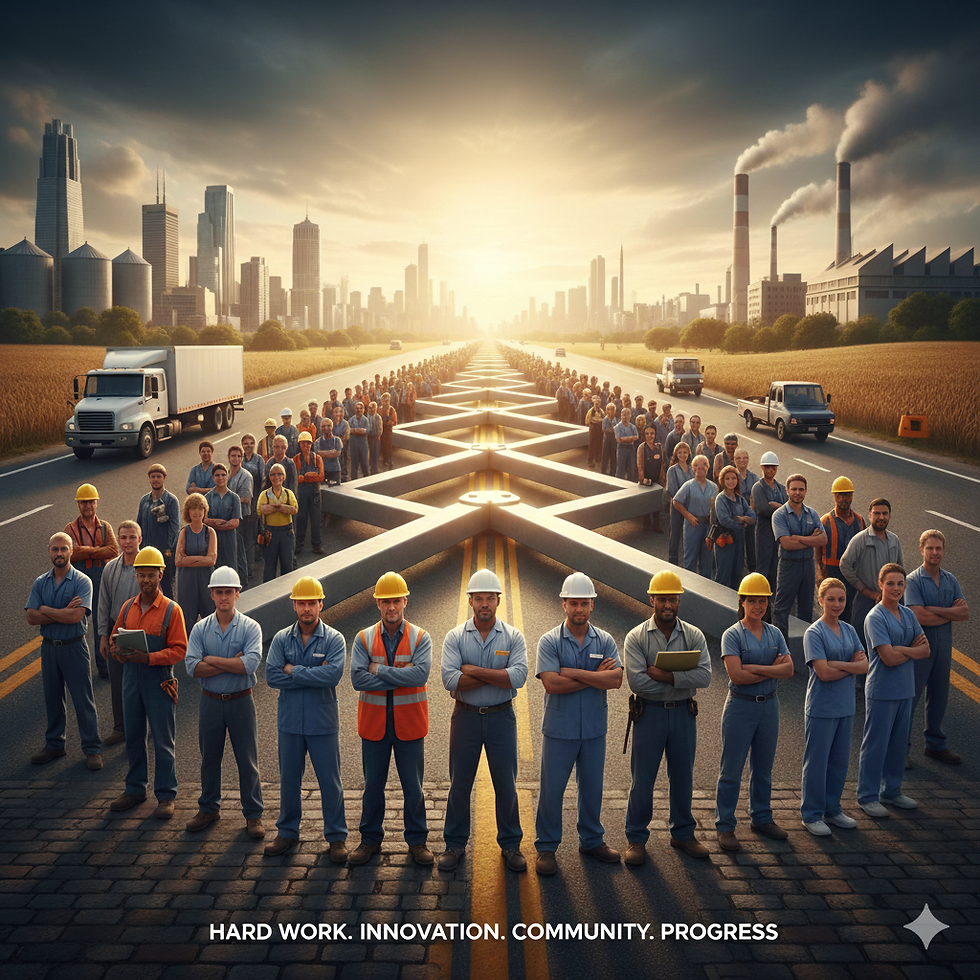
Small and medium enterprises (SMEs) are often described as the backbone of the economy. In most countries, they account for the vast majority of businesses, employ a significant share of the workforce, and play a critical role in innovation, supply-chain resilience, and social mobility.
Yet despite their importance, SMEs are also the most vulnerable segment of the economy—operating with thinner margins, fewer buffers, and greater exposure to shocks than large
corporations. As economic cycles shorten and complexity increases, the gap between the value SMEs create and the support they receive is becoming increasingly visible
Why SMEs Matter More Than Ever
SMEs do more than create jobs. They:
Anchor local economies and communities
Act as feeders to larger corporates and multinational supply chains
Provide pathways for entrepreneurship, family wealth creation, and generational continuity
Drive agility and innovation, particularly in emerging and niche markets
In many economies, SMEs represent over 90% of all enterprises and contribute a substantial portion of GDP. When SMEs thrive, economic growth is broader, more inclusive, and more resilient.
When they struggle, the impact is felt far beyond individual businesses—through employment, consumer confidence, and long-term competitiveness.
The Reality SMEs Face Today
While every SME’s journey is different, many face a common set of structural challenges:
1. Founder Dependence
Most SMEs are built on the vision, relationships, and stamina of one or two founders. While this is often the source of early success, it becomes a constraint as the business grows. Decision-making remains centralised, leadership depth is limited, and the organisation struggles to scale beyond the founder’s personal capacity.
2. Execution Gaps, Not Strategy Gaps
SMEs rarely lack ideas or ambition. What they lack is consistent execution discipline—clear accountability, repeatable processes, and management systems that turn strategy into results. Growth often outpaces structure, leading to operational strain and firefighting.
3. Talent and Leadership Constraints
Competing with larger firms for senior talent is difficult. Many SMEs cannot afford a full executive bench, leaving critical functions under-resourced or handled informally. This limits professionalisation and increases key-person risk.
4. Capital and Credibility Challenges
Access to capital is not just about funding—it is about trust. Investors, lenders, and strategic partners look for governance, transparency, and predictability. Many SMEs are operationally sound but struggle to present themselves as institution-ready, limiting valuation and financing options.
5. Rising Complexity
Regulation, technology, cyber risk, and cross-border exposure now affect even relatively small businesses. Complexity that large corporations manage with departments and systems is often absorbed by founders themselves in SMEs.
What More Can Be Done—for SMEs
Supporting SMEs requires more than grants, incentives, or policy slogans. It requires addressing the structural constraints that hold them back.
1. Shift the Focus from Advice to Execution
SMEs do not need more high-level advice. They need hands-on support that helps them implement governance, build leadership depth, and institutionalise execution—without losing entrepreneurial momentum.
2. Make Professionalisation Accessible
Executive capability, governance frameworks, and operating discipline should not be reserved for large corporates. Flexible, modular models—such as fractional leadership and execution-led transformation—can help SMEs access senior expertise at the right stage and scale.
3. Redefine “Readiness” Beyond Size
Exit readiness, investment readiness, and scalability should be defined by quality of execution, not just revenue size. SMEs that demonstrate discipline, transparency, and leadership depth should be rewarded with better access to capital and partnerships.
4. Support Founder Transitions, Not Just Growth
Many SMEs fail not because the business is weak, but because the founder transition is unmanaged. Helping founders evolve from doers to leaders—and eventually stewards—is one of the most under-addressed challenges in the SME ecosystem.
5. Encourage Long-Term Value Creation
Policy, capital, and advisory ecosystems should align around sustainable value creation—building enterprises that can outlast founders, cycles, and market shocks.
The Way Forward
SMEs are not “small versions” of large companies. They are distinct, dynamic, and essential. But for them to continue playing their critical role in the economy, the ecosystem around them must evolve.
The next chapter for SMEs is not about growing faster at all costs. It is about building stronger, more resilient, execution-ready enterprises—ones that can scale, attract capital, and transition successfully into their next phase.
When SMEs are supported in this way, the entire economy benefits—not just today, but for generations to come.



Comments